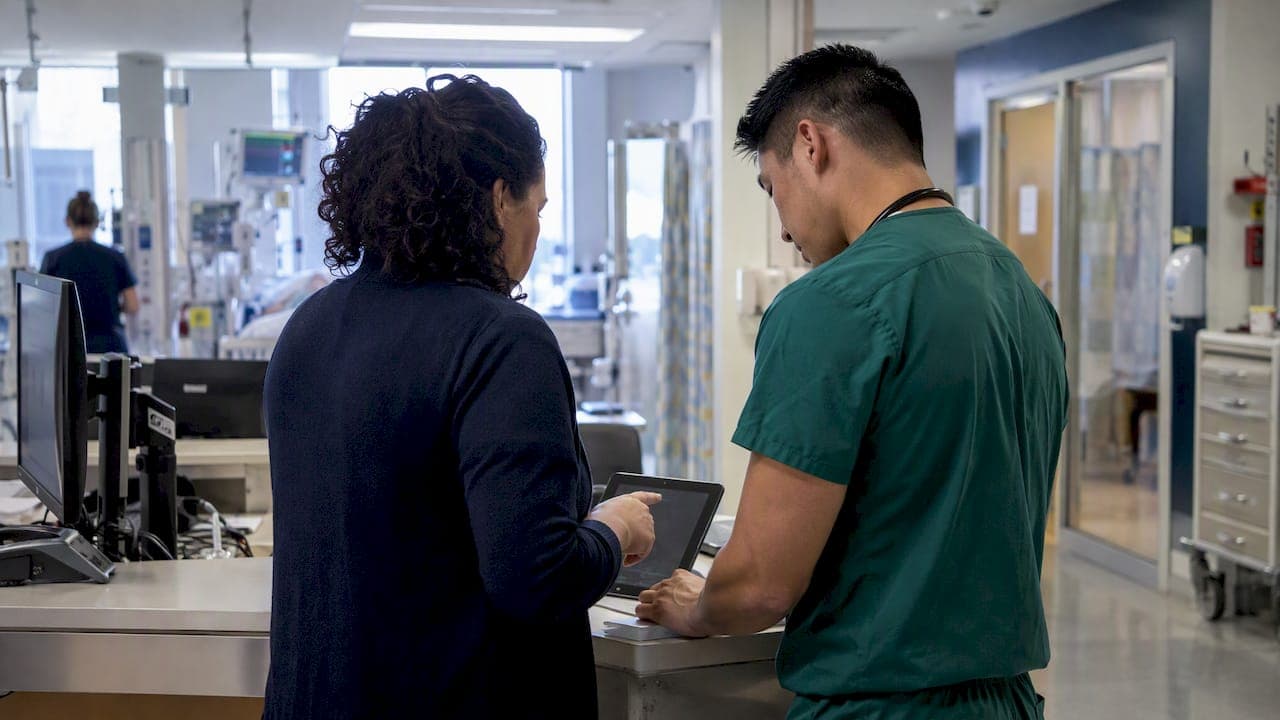
Specialty nurse matching connects verified, specialty-qualified nurses to flexible shifts and assignments based on their clinical skills, availability, and job preferences. For hospitals, it means filling open roles faster with staff who already hold the right competencies. For nurses, it means landing assignments that fit their schedule and specialty without the usual application wait. We deliver this through a technology-driven matching system built for both sides.
TL;DR:
- Specialty nurse matching reduces shift fill times and improves competency verification speed by using real-time data and automation to streamline credential checks.
- The matching system filters candidates based on licenses, certifications, and availability, with algorithms ranking best fits and manual overrides available for critical adjustments.
- Facilities must maintain comprehensive, up-to-date personnel files including licensure, certifications, competency evidence, and background checks to ensure compliance with accreditation standards.
- Multistate licenses under the Nurse Licensure Compact expand the pool of eligible nurses and speed verification, especially for travel and telehealth assignments.
- Implementing the platform effectively requires phased rollout, system integrations, stakeholder governance, and continuous tracking of key metrics like time-to-fill and clinician satisfaction.
Table of Contents
- Why specialty matching matters for hospitals and facilities
- How specialty matching platforms work: technology, data, and workflow
- Credentialing, competency, and compliance before placing specialty nurses
- Step-by-step implementation checklist for hospitals
- How nurses use specialty matching platforms to get matched faster
- What NurseFlex Jobs changes about specialty matching
- Get started with NurseFlex Jobs
- FAQ
- Sources
Why specialty matching matters for hospitals and facilities
A poor staffing match carries real clinical risk, not just an administrative headache. The Agency for Healthcare Research and Quality's 2024 hospital database report shows continued variability in how hospitals rate their own staffing sufficiency, with fewer positive responses than in earlier survey years. That pattern points to a widening gap between the nurses hospitals need and the nurses they can place quickly.
Demand isn't slowing down either. The Bureau of Labor Statistics counted about 3,391,000 registered nurse jobs in 2024, with 5% growth projected through 2034 and roughly 189,100 average annual openings. That volume makes manual, resume-by-resume hiring a losing strategy for any facility that needs specialty coverage on short notice.
Hospitals tracking staffing performance typically watches a short list of metrics:
- Time-to-fill for open specialty shifts
- Shift fill rate across units
- Competency match rate between job requirements and placed staff
- PBJ reporting accuracy for submitted hours and job codes
Specialty matching tools cut onboarding friction because the skills verification, licensure checks, and availability data already exist in the clinician's profile before a shift request ever goes out. That removes the back-and-forth that slows down ad-hoc supplemental staffing, where credentials often get chased down after a shift is already scheduled.
How specialty matching platforms work: technology, data, and workflow
A matching platform runs on two data sets: the clinician's profile and the facility's open need. Each nurse profile holds licenses, specialty certifications, competency evidence, and an availability calendar that updates in real time. Each facility request specifies the unit, shift type, required certifications, and timeline.
The matching engine then works through a few steps:
- Filter. Rules-based filters eliminate candidates missing a required license, certification, or availability window.
- Rank. An algorithm ranks remaining candidates by fit, weighing specialty experience, proximity, and past performance.
- Review. A staffing coordinator can apply a manual override when local context matters more than the algorithm's ranking.
- Offer and accept. The system sends the offer, the nurse accepts or declines, and the shift locks in.
Integration points determine how much manual work survives this process. EHR and HRIS connections, credentialing system links, and PBJ or payroll feeds all need to talk to the matching platform, which typically requires an API layer built for healthcare data standards, as outlined in this practical guide to EHR and CRM integration. Our own breakdown of instant job matching mechanics covers how these pieces fit together in more technical detail.
From request to booked shift, a well-integrated system can move in hours rather than days, since the verification work happens once, upfront, instead of being repeated for every shift.

Pro Tip: Ask any matching platform how it handles manual overrides before you commit. A system with no override option will fight you on every edge case.
Credentialing, competency, and compliance before placing specialty nurses
Before any specialty nurse starts a shift, hospitals need documentation that satisfies both accreditation and federal reporting standards. The Joint Commission's HCSS-6 measure requires personnel files for per diem placements to include job-appropriate credentials, evidence of current competency, and a completed background check. Skipping any one of these puts a facility at risk during an accreditation survey.
A compliant personnel file generally includes:
- Current license verification, checked at the primary source
- Specialty certifications relevant to the assigned unit
- A documented clinical skills checklist, as defined under the Joint Commission's competency data element
- CPR or BLS training records
- Background check results
Accurate classification matters beyond accreditation. The CMS Payroll-Based Journal policy manual requires facilities to report onsite hours and correct job title codes for every employee and contract staff member, which means a mismatched job code or a missed classification can throw off a facility's PBJ submission.
Licensure gets more complicated when nurses cross state lines. The Nurse Licensure Compact allows a nurse holding a multistate license to practice in other compact states without applying for additional licenses, which speeds up verification for travel and telehealth assignments where every added licensing step costs placement time.
Personnel files must prove current competency and valid credentials for every staff member, including contract and agency nurses, or a facility risks non-compliance during an accreditation review.
Step-by-step implementation checklist for hospitals
Rolling out specialty matching works best as a phased project, not a single switch-flip.
This week:
- List the specialty roles you fill most often and the credentials each one requires.
- Pull your current credential checklist and compare it against HCSS-6 requirements.
- Identify which systems (EHR, HRIS, payroll) need to connect to a matching platform.
- Assign one owner for the rollout and one for ongoing governance.
This month, pilot phase:
- Choose one or two units for a pilot, ideally ones with chronic fill gaps.
- Test the verification workflow end to end, from profile submission to shift acceptance.
- Validate that PBJ and payroll reporting pull the right job codes automatically.
- Collect feedback from both coordinators and placed nurses.
At launch:
- Expand to additional units once the pilot clears its KPIs.
- Track time-to-fill, fill rate, and clinician satisfaction monthly.
- Adjust matching rules as patterns emerge in accepted versus declined offers.
Set a governance cadence early: someone needs to sign off on competency templates, and someone needs to own exceptions when a match falls outside the standard rules. Our guide on emergency nurse credentialing covers how to compress verification time without cutting corners.
Pro Tip: Run your pilot on a unit with a known staffing gap, not your best-staffed unit. A quiet unit won't stress-test the workflow.
How nurses use specialty matching platforms to get matched faster
A complete profile is what gets a nurse matched quickly instead of sitting unseen. Upload these before you expect any shift offers:
- Active license(s), including multistate status if you hold one
- Specialty certifications tied to the units you want to work
- Completed competency checklists for your specialty
- Current immunization records
- An availability calendar kept current, not set once and forgotten
Use precise specialty keywords rather than broad job titles, since a matching algorithm filters on exact skill terms. Keep every document primary-source verified, and respond to booking requests quickly, since slow responses push a match to the next ranked candidate. Our explainer on availability-based matching walks through how the calendar piece works in practice.
Holding a multistate license under the Nurse Licensure Compact opens up travel and telehealth roles that would otherwise require a separate state license before you could even apply. After a match, expect a short onboarding step, a facility orientation, and a competency confirmation before your first shift.
What NurseFlex Jobs changes about specialty matching
Specialty nurse matching only works when the technology behind it treats verification as the starting point, not an afterthought. We connect nurses to flexible, specialty-specific roles through real-time matching built around skills, availability, and preferences, rather than a static job board where applications sit for weeks.
The operational gain shows up in two places at once: facilities spend less administrative time chasing credentials because the verification work happens before a shift request goes out, and nurses spend less time waiting because a qualified match surfaces as soon as availability lines up. That combination is what separates a matching platform from a traditional posting board, as explored in our piece on why healthcare platforms beat job boards.
— Flexible
Get started with NurseFlex Jobs
If you run staffing for a hospital or facility, you can post specialty roles directly through our employer page, where you can also request a demo of the matching workflow before committing.

If you're a nurse looking for specialty-specific flexible work, here's where to start:
- Create a verified profile and list your licenses, certifications, and specialty experience.
- Turn on job alerts so new specialty openings reach you first.
- Browse open specialty categories, from case management to mental health nursing, to see what fits your schedule.
Our credential verification features support a compliant pilot from day one, whether you're testing a single unit or rolling out across a system. Hospitals weighing travel coverage can also explore our travel nursing matching service at no cost to start.
FAQ
What is specialty nurse matching?
Specialty nurse matching connects nurses who hold specific clinical skills and certifications to flexible shifts or assignments that require those exact qualifications. It relies on a clinician's verified profile and availability calendar to surface a fit without a manual application process.
How does specialty matching improve patient outcomes?
Placing a nurse whose documented competencies match the unit's requirements reduces the risk tied to supplemental staff who lack verified specialty experience. The Joint Commission's HCSS-6 measure exists specifically to confirm that competency documentation is in place before a per diem nurse is placed.
Does a multistate license affect specialty matching?
Yes. A multistate license under the Nurse Licensure Compact lets a nurse practice in other compact states without a separate license, which widens the pool of travel and telehealth assignments a matching platform can offer.
What does NurseFlex Jobs cost for hospitals?
Pricing for posting roles or running a matching pilot through NurseFlex Jobs is available on request through our employer page. Nurses use the platform's matching and alert features without any cost to create a profile or browse openings.
What documentation do hospitals need before placing a specialty nurse?
At minimum, a compliant personnel file includes verified licensure, relevant specialty certifications, a documented competency checklist, and a completed background check, consistent with Joint Commission personnel file guidance. Facilities also need accurate job classification for PBJ reporting under CMS policy.
Sources
- Registered nurses | Occupational Outlook Handbook | U.S. Bureau of Labor Statistics
- AHRQ 2024 Hospital Database Report (summary)
- HCSS-6 measure description | The Joint Commission
- How it works | Nurse Licensure Compact | NCSBN
- Payroll-Based Journal (PBJ) Policy Manual | CMS